Owning a motorhome offers you a sense of freedom and flexibility that not many other types of travel can match, if any. There is also, of course, a level of responsibility attached. This edition of our blog is your complete overview of buying, owning and maintaining a motorhome in the UK – and of enjoying it too!
Choosing the Right Motorhome
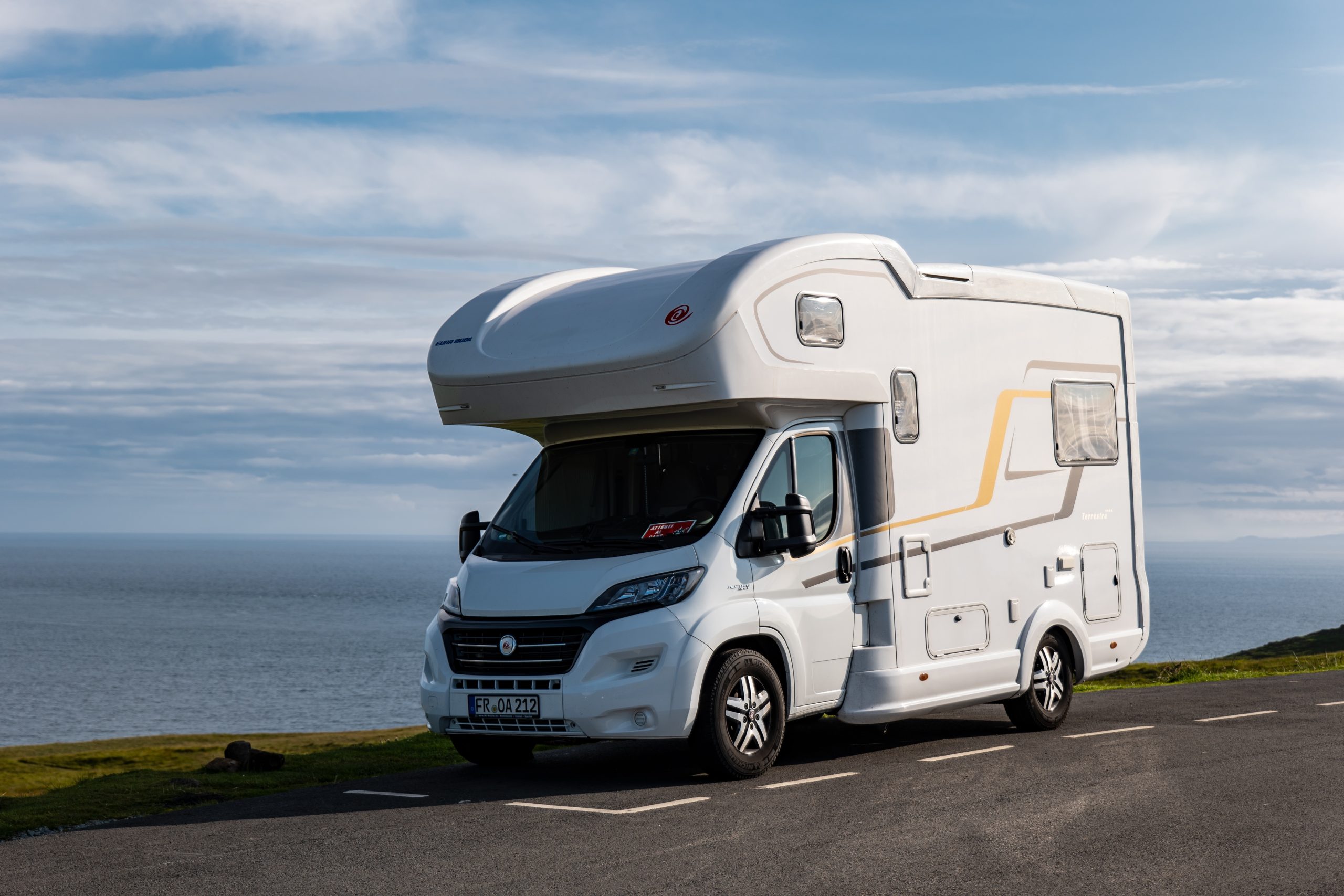
There’s no ‘one size fits all’ when it comes to buying a motorhome. There are so many different types available – from compact editions that are convenient for solo travellers or couples, to larger and more luxurious motorhomes ideally suited to families. Making the decision on which sort of motorhome to buy should always be guided by lifestyle, travel ambitions and budget.
Berths and Layout
Consider how many people will regularly travel in the vehicle. Think about the different options for sleeping (fixed beds versus fold-out options or drop-downs, for example) as well as bathroom facilities and kitchen configuration.
Driving Licence Limitations
Motorhomes above 3,500kg require a different classification than the standard B1 on your UK driving licence. Achieving the necessary C1 category to drive these heavier models may involve further testing.
New v Used
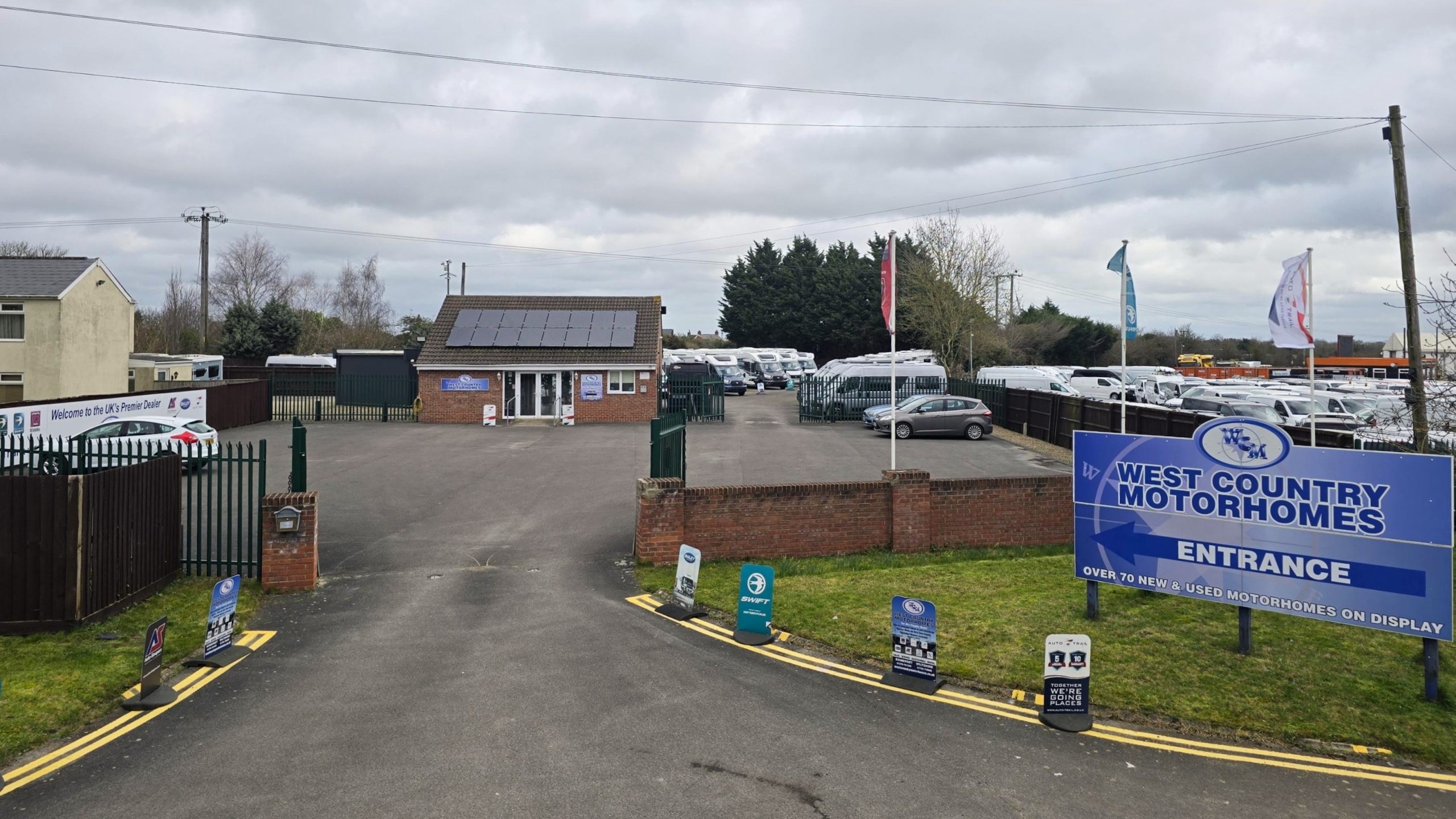
New motorhomes come with manufacturer warranties and the latest features but are usually more expensive. Used models can be a way to ensure great value (especially if you buy from a reputable dealer such as West Country Motorhomes!).
Finance
Buying a motorhome is a significant purchase, and owners should be realistic about budget and factor in ‘additional’ such as insurance, road tax, MOT, fuel, site fees, servicing and storage. West Country Motorhomes offers competitive finance (through Black Horse Ltd), which is a great way to make the most of your budget. Contact us and we’ll provide you with a personal quote.
Insurance and Legals
Insurance for motorhomes is a legal requirement, with specialist motorhome insurance designed to cover a range of scenarios (including theft, accidental damage and even European travel). Make sure your policy includes cover for the full contents of the vehicle, particularly if you travel with expensive gear.
For legal compliance, you’ll also need to make sure that your vehicle is taxed, and has an annual MOT if it’s more than three years old – and, as mentioned earlier, that you have the appropriate driving licence.
Maintenance and Servicing
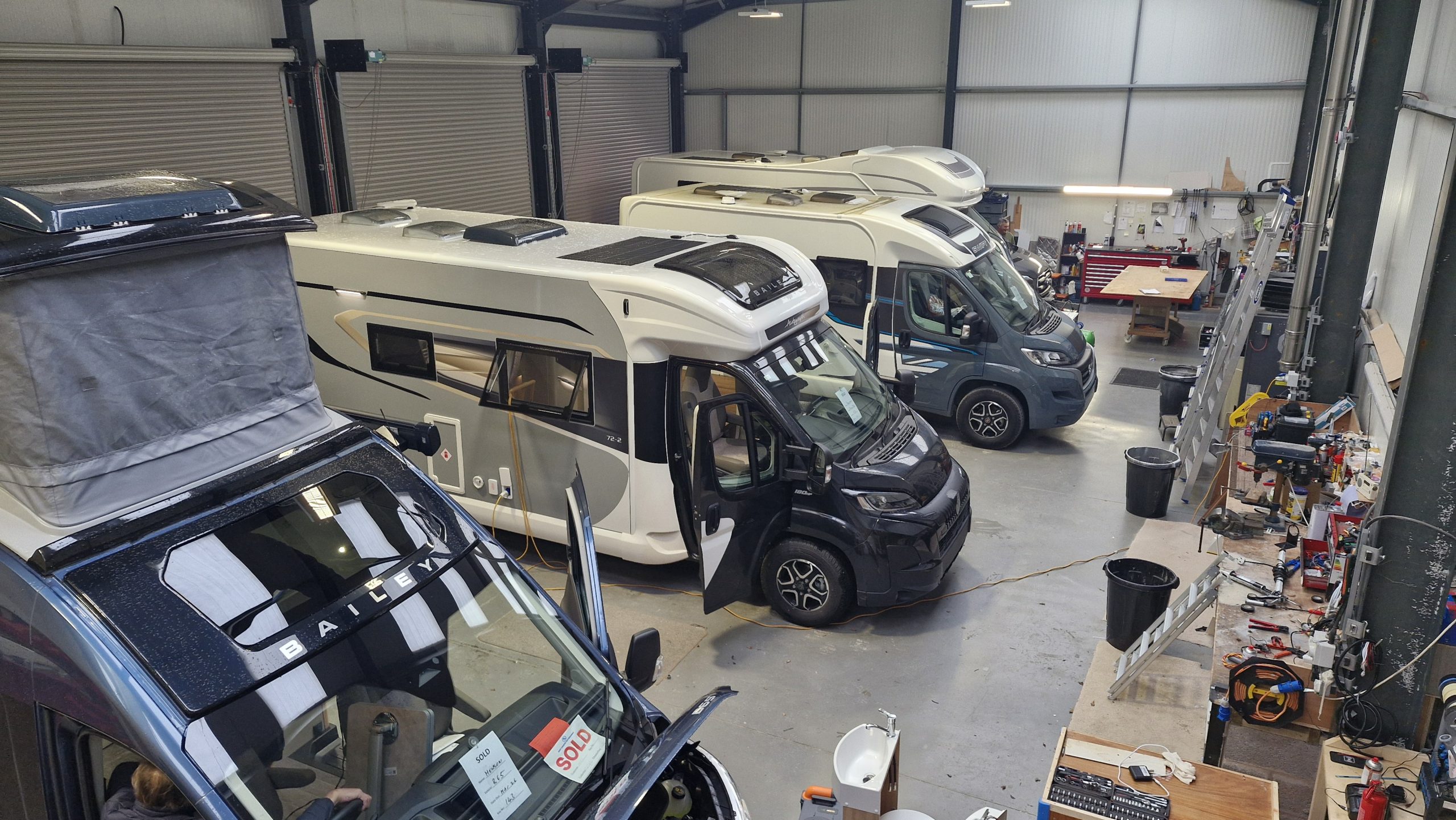
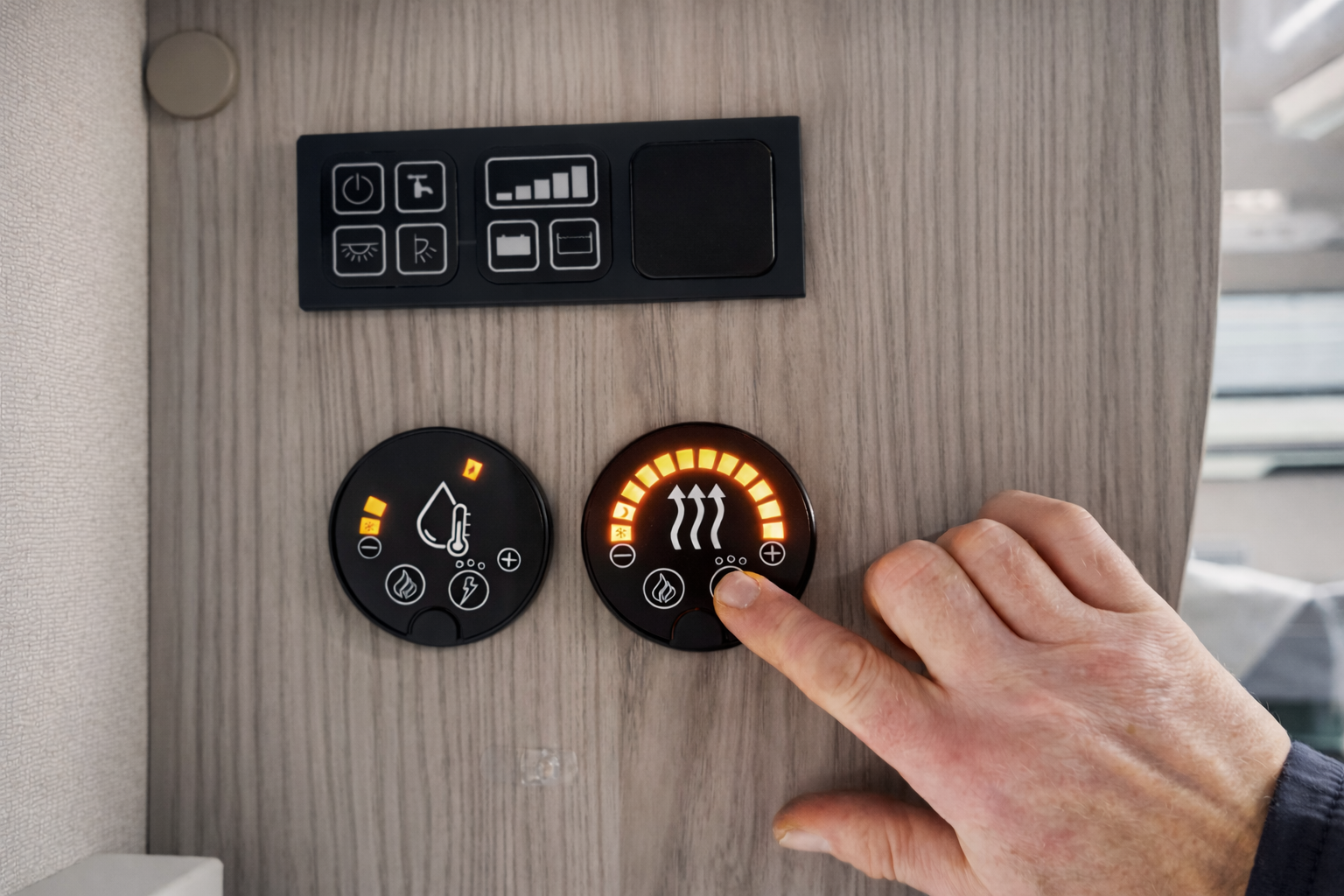
Maintaining your motorhome is really important if you want to keep it safe, roadworthy and in great condition. Unlike a standard car, a motorhome has the additional ‘habitation area’ that requires its own set of checks.
• Mechanical servicing: Just like a car, your engine, brakes, tyres and suspension must be inspected annually.
• Habitation checks: These checks, undertaken by professionals, include inspections of important systems such as gas, electrics and water, along with things like the vehicle’s structural integrity. Many owners have a habitation check done once a year.
• Winterisation: Before winter, you should drain down the water system to stop pipes from freezing and cracking. Consider fitting an electric hook-up, and using a dehumidifier to avoid damp.
• Tyres: Motorhome tyres often age before they wear out due to limited mileage. Regardless of tread, however, it’s good practice to replace them every 5 to 7 years.
• Seals and vents: It’s also good practice to regularly inspect seals and roof vents for signs of water ingress, which can cause long-term structural damage if left unchecked.
Storage and Security
Where you keep your motorhome when it’s not in use can significantly affect longevity and security. Not everyone has a drive at home that’s big enough to park a vehicle 7 metres long, so it may be necessary to secure off-site storage.
• Home: It may be convenient to park at home, but not always feasible due to vehicle size or even factors such as local regulations.
• Storage facility: Many secure storage parks offer CCTV, gated access, and even battery maintenance services.
• CASSOA sites: CASSOA means Caravan Storage Site Owners Association, and this is a body set up to certify and maintain standards across storage sites. These sites have recognised security standards, and storing here may also help to reduce your insurance premium (discuss your policy with your provider).
• Security devices: Using wheel clamps, steering locks, alarms and tracking devices is a method of security that is also worth considering. The more layers of protection, the less appealing your vehicle is to potential thieves.
Essential Accessories
Once you’ve got all of the basics in place, there are a few smart purchases you can make so that motorhome life is smoother and more enjoyable.
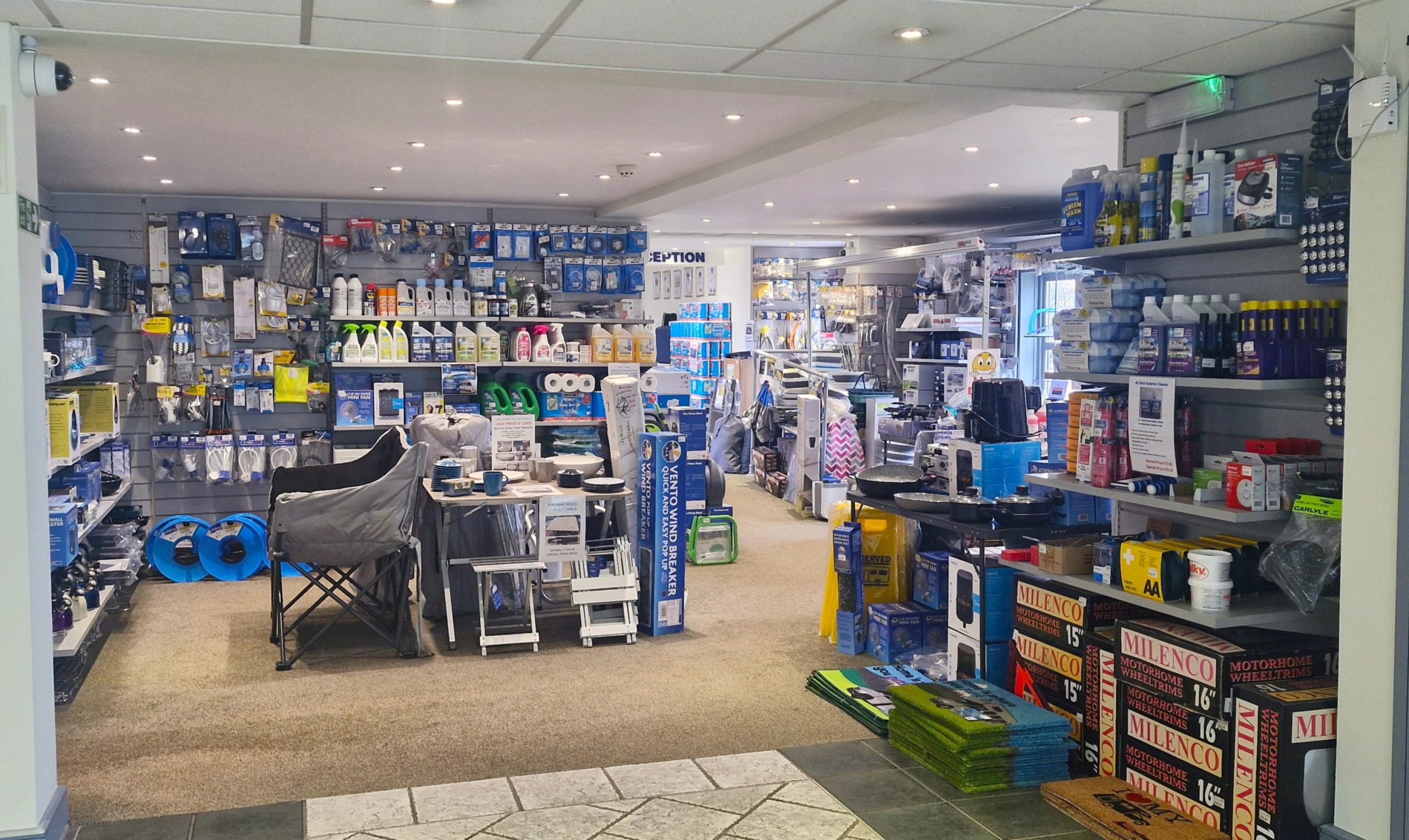
• Levelling ramps
• Hosepipe and water carrier
• 240v hook-up cable and adapters
• Solar panels or leisure battery
• Awning or canopy for additional space
• Fire extinguisher and first aid kit
• Sat nav (designed specifically for motorhomes)
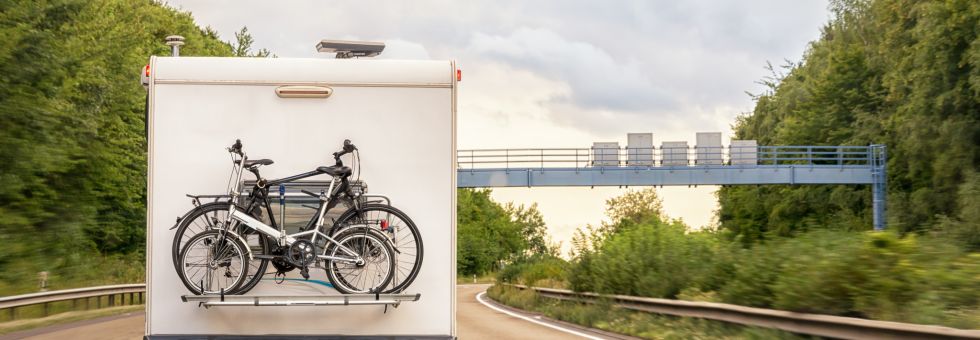
• Bike racks
• External BBQ points
• TV aerials
• Wi-Fi
Travel and Campsite Tips
Just like in non-road domestic life, taking some time to plan is key to a stress-free experience. While spontaneity is one of the joys of motorhome life, booking ahead is often advisable, especially in peak seasons.
• Apps: Download apps or use sites like Park4Night to find campsites and camping spots.
• A-roads: Stick to A-roads and avoid narrow lanes when you plan your routes.
• Campsites: Always arrive before dark to make set-up easier. Always respect campsite etiquette by keeping noise down, disposing of waste correctly and leaving no trace.
• Environment: Always respect the natural environment, and operate using the ‘leave no trace’ mindset.
• Tool kit: Keep a toolkit and spare fuses onboard.
• First aid kit: Keep a first aid kit (plasters, bandages, medicines, ointments etc) onboard.
Mistakes to Avoid
Many motorhomes owners, particularly first-timers, fall into the same traps. Save yourself hassle by learning from the experiences of others, and avoiding certain pitfalls.
• Overloading: Don’t overload your vehicle. Check your payload limits.
• Insurance: Don’t neglect it. Make sure it covers full European use if needed.
• Battery: Don’t let the battery go flat. Run the engine regularly or use a trickle charger.
• Condensation: Don’t ignore it. Ventilate the vehicle to avoid damp, even in winter.
• Test runs: Do a short local trip before a long holiday so that you can iron out any issues.
Whether you’re taking your first steps into the world of motorhome ownership or looking to make the most of a recent purchase, following our tips and staying informed and proactive will ensure you get the best out of your vehicle for many years to come. Buying a new or used motorhome from West Country Motorhomes means your on the road adventures will get off to a great start. Get in touch with our friendly and knowledgeable team, they can assist with any queries and help you hone in on exactly the right vehicle for you. Browse our stock online, or better still come and see us in person!